










OUR PHILOSOPHY
Medical science is rapidly advancing, with new technologies making learning and communication easier for students, healthcare professionals, and the general public. Pocket Anatomy wants to help medical students, healthcare professionals, and the general public in visualizing the complexities of the human body in a novel format.
With over one-fifth of the 15 billion+ downloaded apps to date representing games, it is clear to see that the iOS technology is a popular gaming platform. However, if we can harness the elements of gaming and game-based learning to promote the understanding of medical education and healthcare, then this is a very exciting innovation for everybody!
OUR STORY
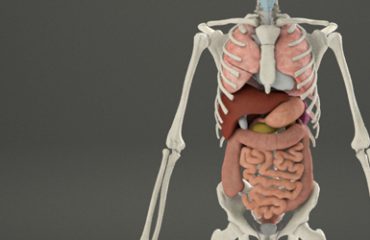
Pocket Anatomy (the Interactive Human Body), created in 2009 by eMedia Interactive Ltd, is a range of medical education software applications to assist medical students, healthcare professionals, and the general public in visualizing the complexities of the human body in a novel format. The first two products in this suite of medical education resources include “Pocket Heart” and “Pocket Body”.
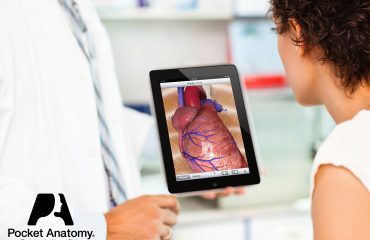
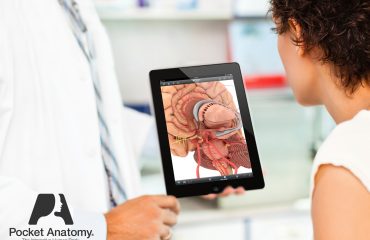
Originally created to help anatomy and biology students study and understand the inner workings of the human body in a more fun and engaging way, these Pocket Anatomy learning tools are also popular amongst doctors, nurses and healthcare professionals as communications tools when meeting and explaining diagnoses and conditions to patients and their families.
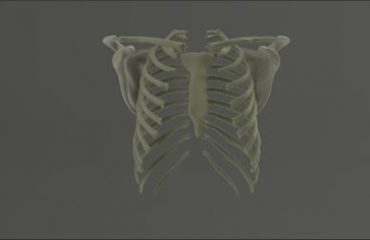
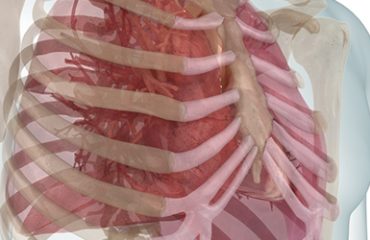
Pocket Heart is a novel way to visualize how the human heart works, in 3D. Whether you’re a student needing to learn, understand and memorize all of the anatomical features and functions of the heart, or a health care professional looking for a new way of communicating a diagnosis or procedure to a patient, colleague or trainee, Pocket Heart’s unique 3D interface can facilitate this.
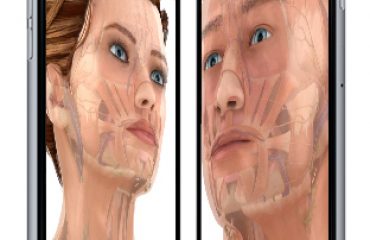
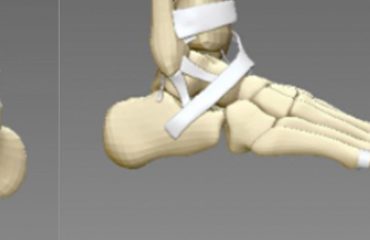
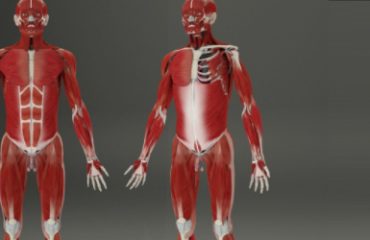
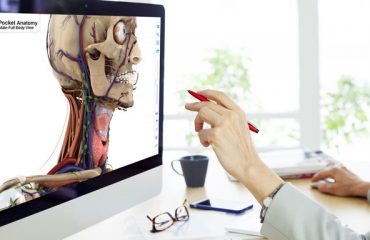
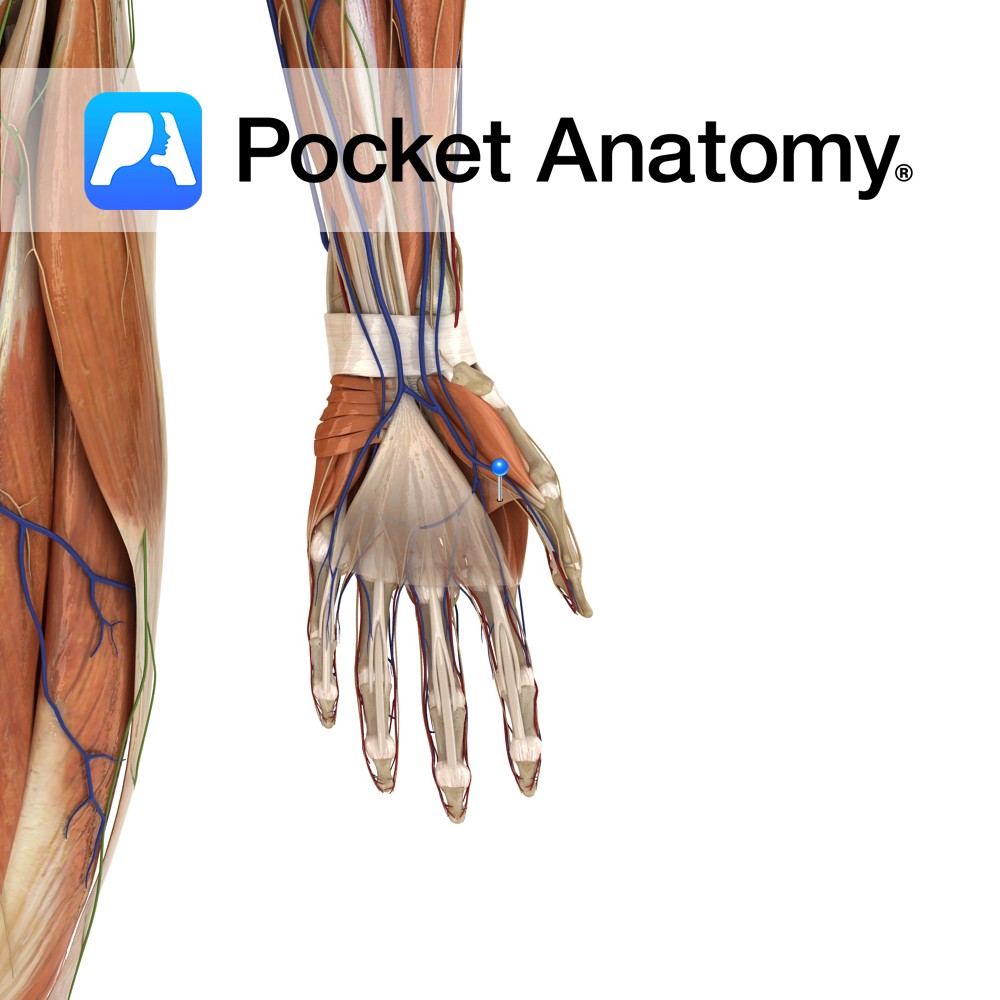
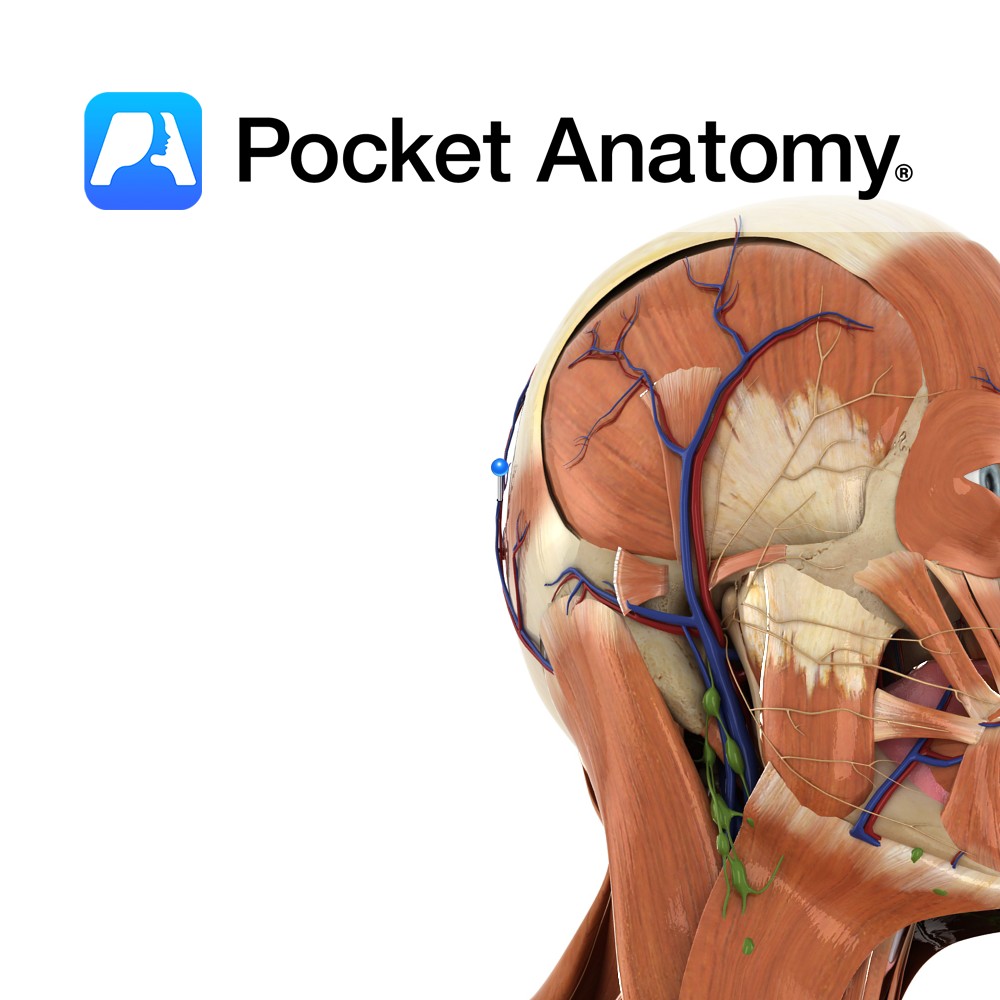
Pocket Body is a fully searchable interactive atlas of the human anatomy, which allows the busy medical and nursing student or healthcare professional to visualise the human musculoskeletal system through the use of interactive high definition illustrations of the human body. This software features a fully anatomically accurate human character with nine layers of musculoskeletal content, enabling the user to navigate from the skin layer through the superficial to deep musculature, and on through to ligaments and the skeleton. In each layer, structures are pinned for identification and associated with each pin is additional concise relevant information including clinical notes. All of the information is presented in an interactive, mobile and accessible format which takes full use of the features of the device on which the app runs (iPhone, iPad or iTouch). This is a marked contrast with the two-dimensional (2D) printed pictures and diagrams commonly used in the teaching of advanced human anatomy today. Additional features allow the user to make learning notes as they progress through the learning content, and also utilize the built-in quizzes as a self-test capability to assist in their learning and exam preparation.
Pocket Body will assist medical and other health care students gain a deep understanding of human musculoskeletal anatomy and assist in their examination preparation. Also, by making comprehensive human musculoskeletal anatomy content available on demand it will act as a continuing anatomy resource throughout their degree programme, and as a reference on into the professional workplace.

CREATORS
Mark Campbell, founder and creative director of eMedia, on the Pocket Anatomy range: “We are delighted with the outcome of the Pocket Anatomy project to date – software that is being nicknamed the Google Earth of the Human Body by many of its users.
As medical students and educators continue to embrace new technologies in their teaching and learning practices, Pocket Anatomy will continue to push the boundaries in the use of new technologies for the purposes of medical education.
We chose to create the Pocket Anatomy range of medical education tools as we are passionate about the use of 3D graphics and high-definition illustrations in the teaching of human anatomy and biology. These apps enable users to absorb interactive educational content at their own leisure wherever they are. The revolution of interactive mobile content allows the student to learn at their own pace and in a more engaging and immersive manner than when accessing static 2D learning content. The information is always at their fingertips and they can also test themselves through built-in quizzes, which are both educational and fun.”
TEAM
PocketAnatomy.com was created in 2009 by Galway-based Interactive Media Design Company, eMedia Interactive Ltd., an award-winning Interactive Media Design Company, specializing in 3D medical animations and interactive technology enhanced learning and training resources for life science companies and medical training institutes.
In addition to this core team, these educational tools have been co-developed by medical students for medical students, and this project has only been possible with the unique combination of our exceptionally talented, and multidisciplinary team members.
Founder & creative director of 3D medical multimedia company eMedia, Mark Campbell is an experienced user-centered designer with a passion for interactive educational multimedia design, and design-lead innovation in medical education. Mark has developed Pocket Anatomy (the Interactive Human Body) together with his talented and eclectic team of medical practitioners and educators, software developers, 3D artists, pedagogical and instructional designers, as well as user interface designers. This unique combination of medical knowledge, software development, art and user experience design has lead to the creation of Pocket Anatomy’s innovative and exciting suite of apps, which will serve as a supplement to the lectures, classes and complementary texts used by medical and health care students, providing a detailed source of human anatomical content, on demand, through the student’s own portable device, as well as act as engaging and informative educational tool-kit when liaising with patients and their families during residency and on into their careers as medical professionals.


