
PocketAnatomy® is a registered brand name owned by © eMedia Interactive Ltd, 2009-2027.
iPhone, iPad, iPad Pro and Mac are trademarks of Apple Inc., registered in the U.S. and other countries. App Store is a service mark of Apple Inc.
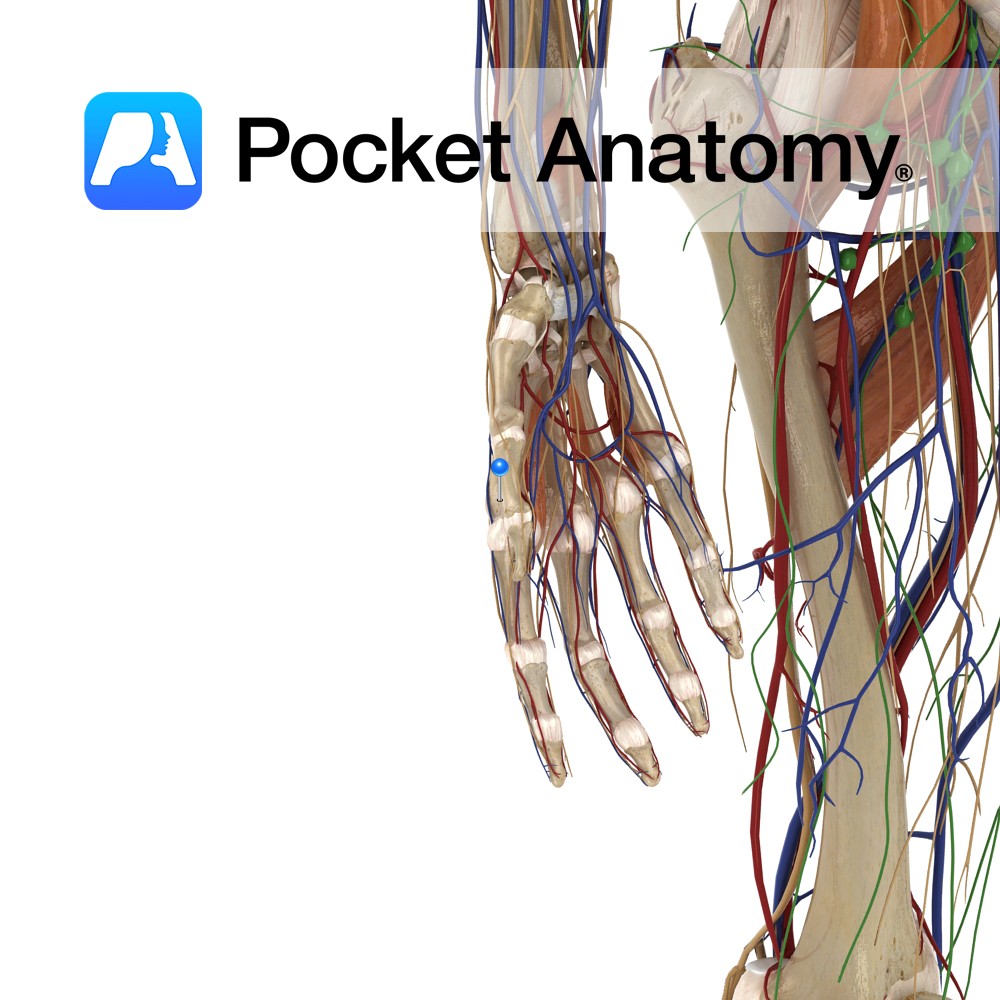
Anatomy Origin: Middle thirds of posterior of radius and ulna and intervening interosseus membrane. Insertion: Lateral aspect of base of 1st metacarpal. Key Relations: -Its tendon together with the tendon of extensor pollicis brevis forms the anterior boundary of the anatomical snuff box. -One of the six muscles in the deep posterior compartment of the
- Published in Pocket Anatomy Pins
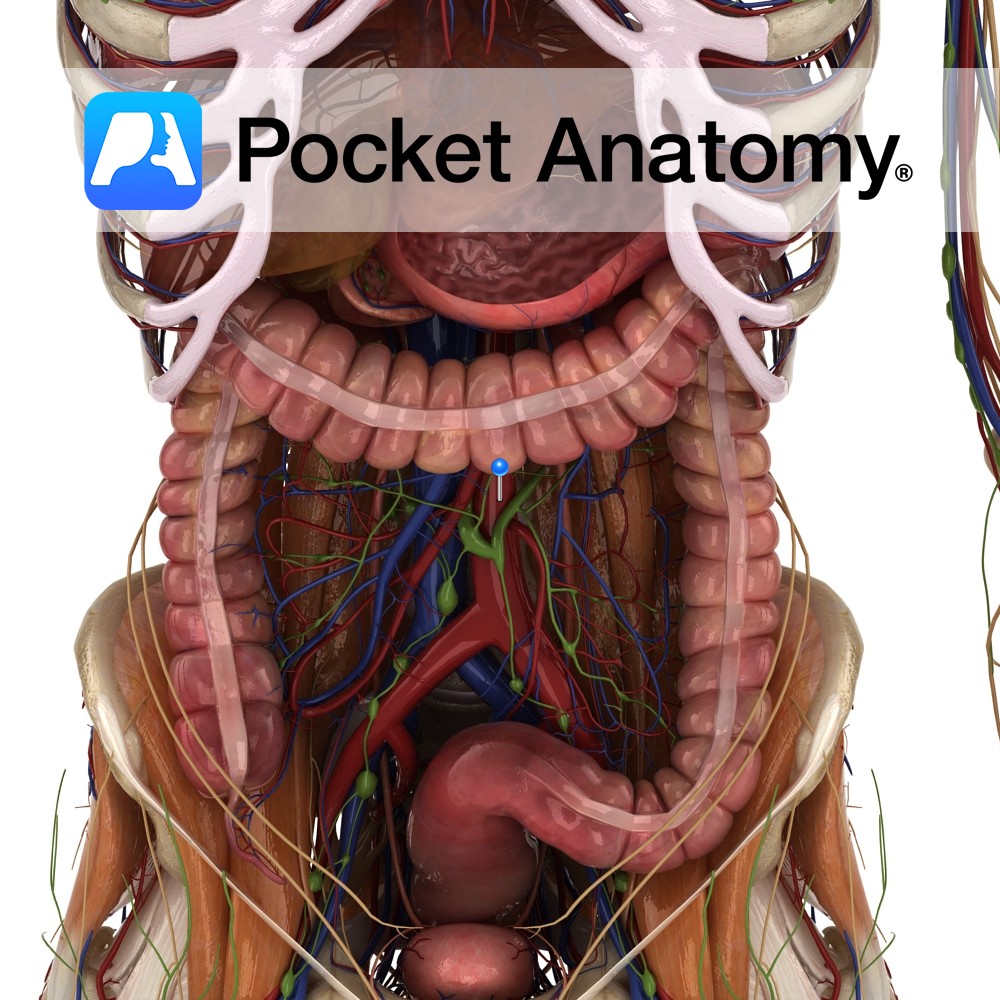
Anatomy Course Enters the abdomen as a continuation of the thoracic aorta by passing through the aortic hiatus of the diaphragm at the level of T12. Descends downward slightly to the left of the midline until it bifurcates into the left and right common iliac arteries at the level to L4. The inferior vena cava
- Published in Pocket Anatomy Pins

Anatomy Origin: Lateral and medial processes of the calcaneal tuberosity and plantar aponeurosis. Insertion: Lateral surface of the base of the 5th proximal phalanx. Key relations: -Lies on the lateral surface of the foot. -The lateral plantar vessels and nerve located medially. Functions Abducts the 5th toe at the metatarsophalangeal joint. Supply Nerve supply: Lateral
- Published in Pocket Anatomy Pins

Anatomy Origin: Pisiform and tendon of flexor carpi ulnaris. Insertion: Ulnar aspect of the base of the proximal phalanx of the little finger and ulnar border of the extensor apparatus of the little finger. Key Relations: Is one of the muscles of the hypothenar eminence of the hand. Functions Abduction of the little finger at
- Published in Pocket Anatomy Pins
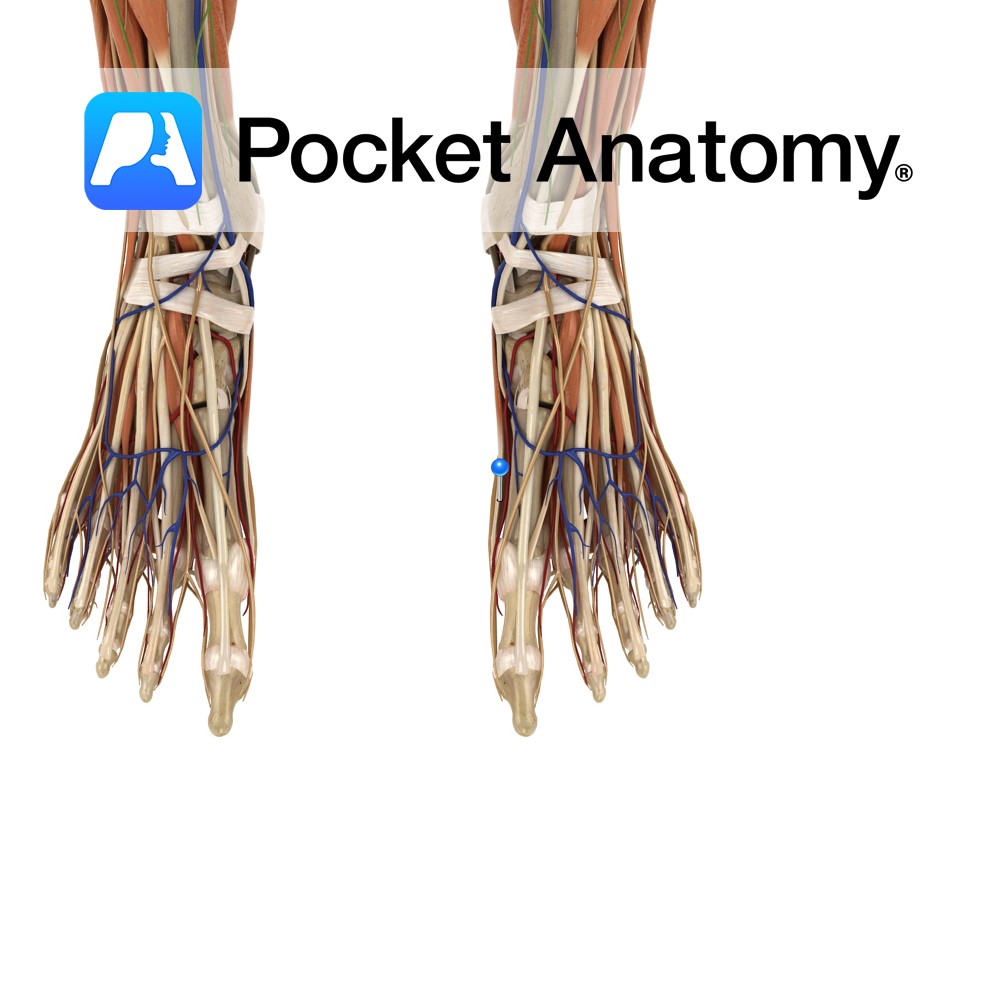
Anatomy Origin: Medial process of the calcaneal tuberosity, flexor retinaculum and plantar aponeurosis. Insertion: Medial surface of the base of the proximal phalanx of the hallux (big toe). Key relations: Lies on the medial surface of the foot and contributes to a soft tissue bulge on the medial part of the sole of the foot.
- Published in Pocket Anatomy Pins
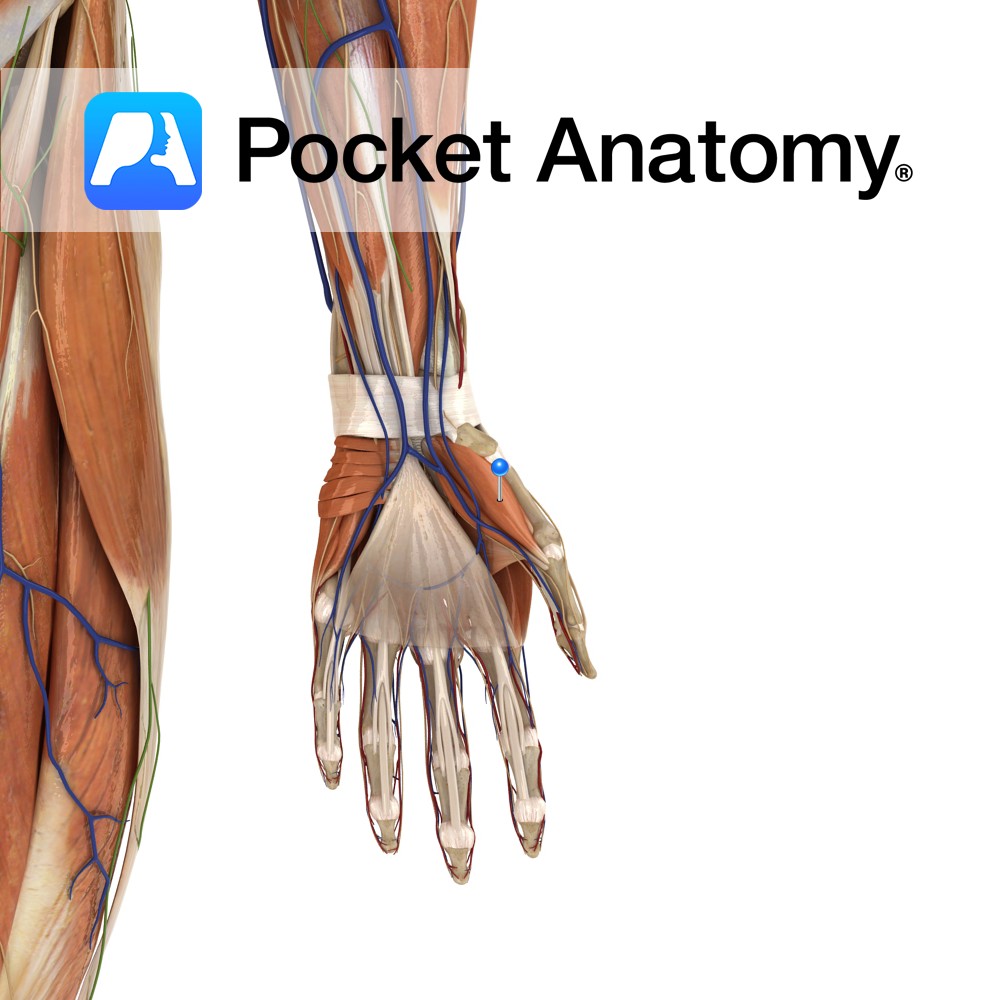
Anatomy Origin: Tubercles of scaphoid and trapezium and adjacent flexor retinaculum. Insertion: Proximal phalanx and extensor apparatus of the thumb. Key Relations: Is one of the muscles of the thenar eminence of the hand. Functions -Abduction of the thumb at the carpopmetacarpol and metacarpophalangeal joints. -Also assists in thumb opposition and extension. Supply Nerve Supply:
- Published in Pocket Anatomy Pins
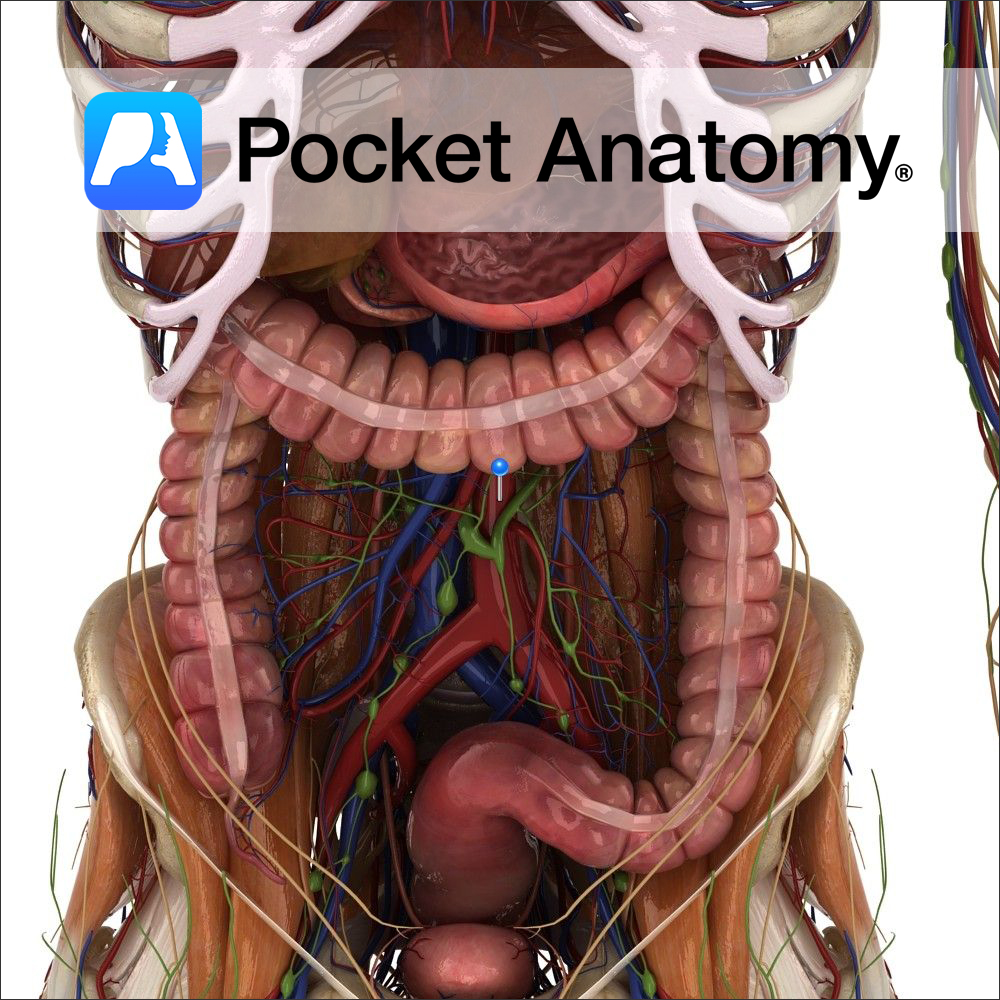
Course Enters the abdomen as a continuation of the thoracic aorta by passing through the aortic hiatus of the diaphragm at the level of T12. Descends downward slightly to the left of the midline until it bifurcates into the left and right common iliac arteries at the level to L4. The inferior vena cava travels
- Published in Pocket Anatomy Pins
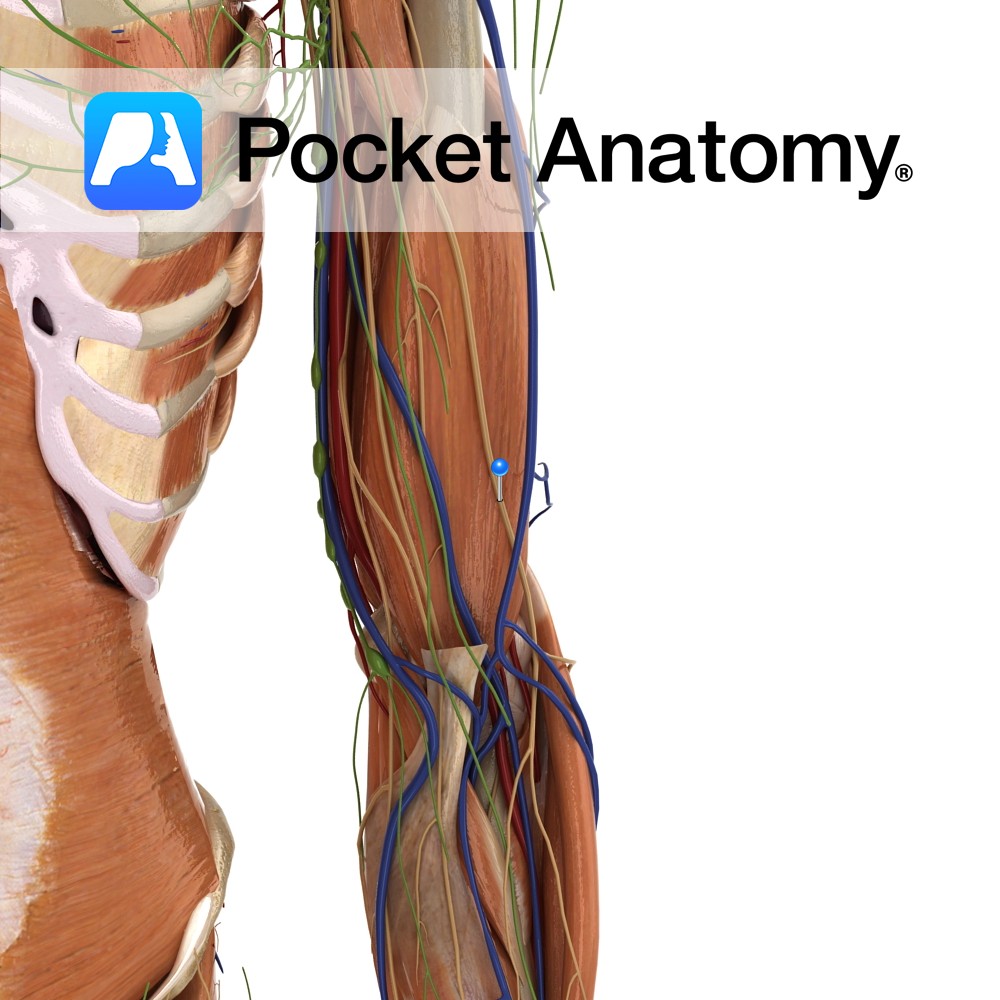
Anatomy Course A continuation of the musculocutaneous nerve in the arm. This nerve becomes the lateral antebrachial cutaneous nerve once it has emerged from between the biceps brachii and the brachialis muscle, lateral to the biceps brachii tendon, passing behind the cephalic vein. It then divides into two branches, both of which run distally along
- Published in Pocket Anatomy Pins
Ala of Sacrum anatomy Ala of sacrum is a large triangular surface either side of sacral base, continuous with iliac fossa (akin to adapted and joined transverse and costal processes elsewhere spine). Interested in taking our award-winning Pocket Anatomy for a test drive?
- Published in Pocket Anatomy Pins
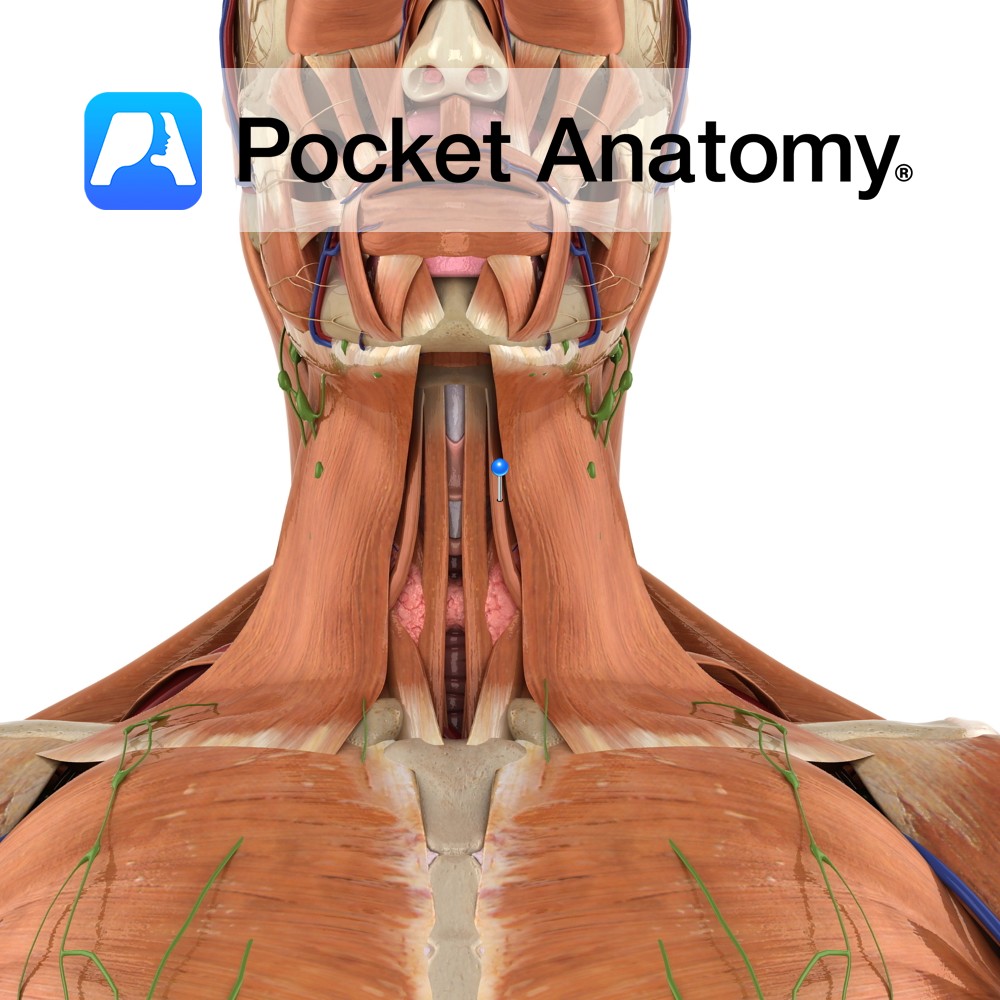
Anatomy Origin: Superior border of scapula medial to suprascapular notch. Insertion: Body of hyoid bone. Key Relations: -Is one of the infrahyoid muscles (sometimes referred to as ‘strap muscles’) lying in the muscular triangle of the neck. -Lateral to sternohyoid. Functions Depresses and fixes the hyoid bone. Supply Nerve Supply: Anterior rami of C1 to
- Published in Pocket Anatomy Pins