
PocketAnatomy® is a registered brand name owned by © eMedia Interactive Ltd, 2009-2027.
iPhone, iPad, iPad Pro and Mac are trademarks of Apple Inc., registered in the U.S. and other countries. App Store is a service mark of Apple Inc.

Anatomy Course Arises from the lateral aspect of the axillary artery. Travels behind the coracobrachialis muscles and the short head of the biceps brachii and anterior to the neck of the humerus. Anastamoses with the posterior circumflex humeral artery. Supply Supplies the glenohumeral joint and the neck of the humerus. Interested in taking our award-winning
- Published in Pocket Anatomy Pins

Anatomy Course Arises from the third division axillary artery at the inferior border of the subscapularis muscle. In association with the axillary nerve it travels through the quadrangular space. Supply Supplies the glenohumeral joint and the neck of the humerus. Interested in taking our award-winning Pocket Anatomy app for a test drive?
- Published in Pocket Anatomy Pins
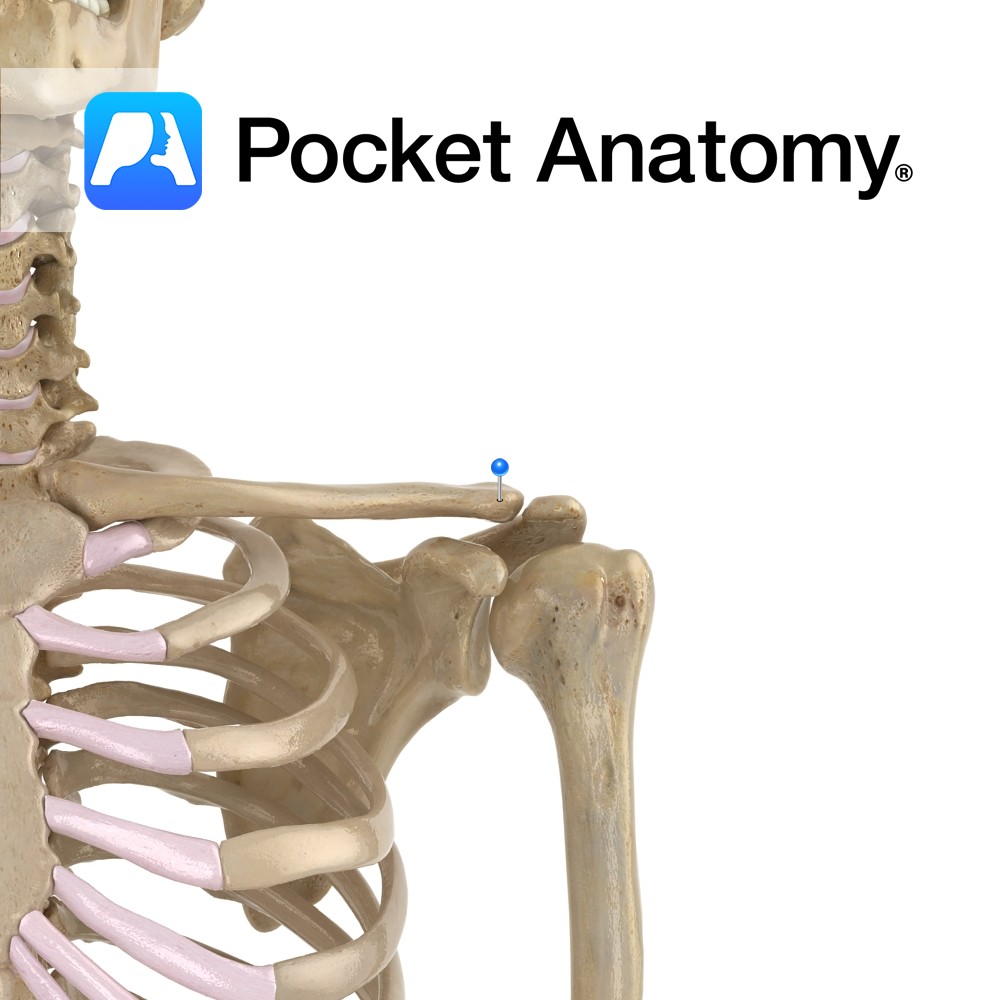
Anatomy Lateral end of clavicle (which is a long flat bone, elongated s-shape, convex at medial end, concave at lateral) articulates with acromial process of scapula. Connected to coracoid process below by coracoclavicular ligament. Clinical Clavicula (Latin); little key. First bone to begin ossification (5-6 weeks in embryo), one of last to finish (21-25 years).
- Published in Pocket Anatomy Pins
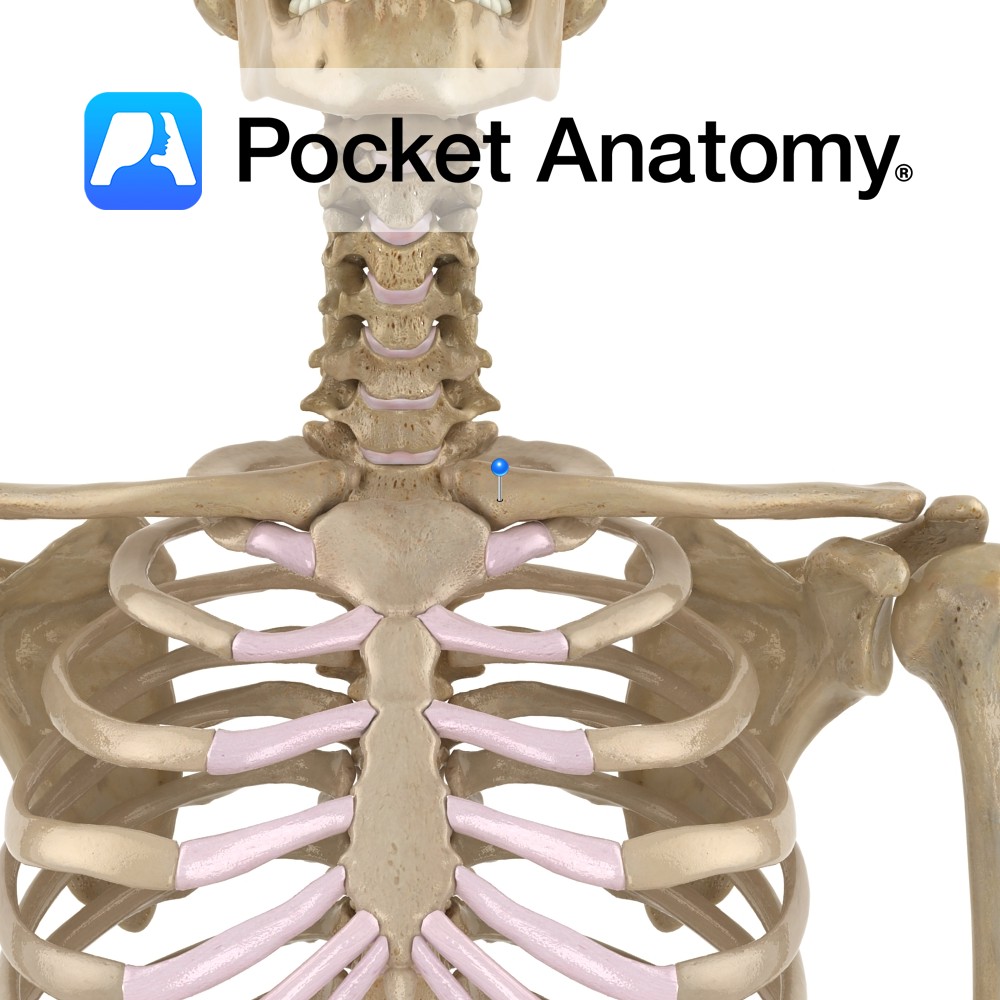
Anatomy Medial end of clavicle (which is a long flat bone, elongated s-shape, convex at medial end, concave at lateral) articulates with manubrium of sternum. Clinical The only horizontal long bone (though ordinarily, no marrow), the clavicle acts as a strut, holding scapula in place and free to move on thoracic wall, which in turn
- Published in Pocket Anatomy Pins
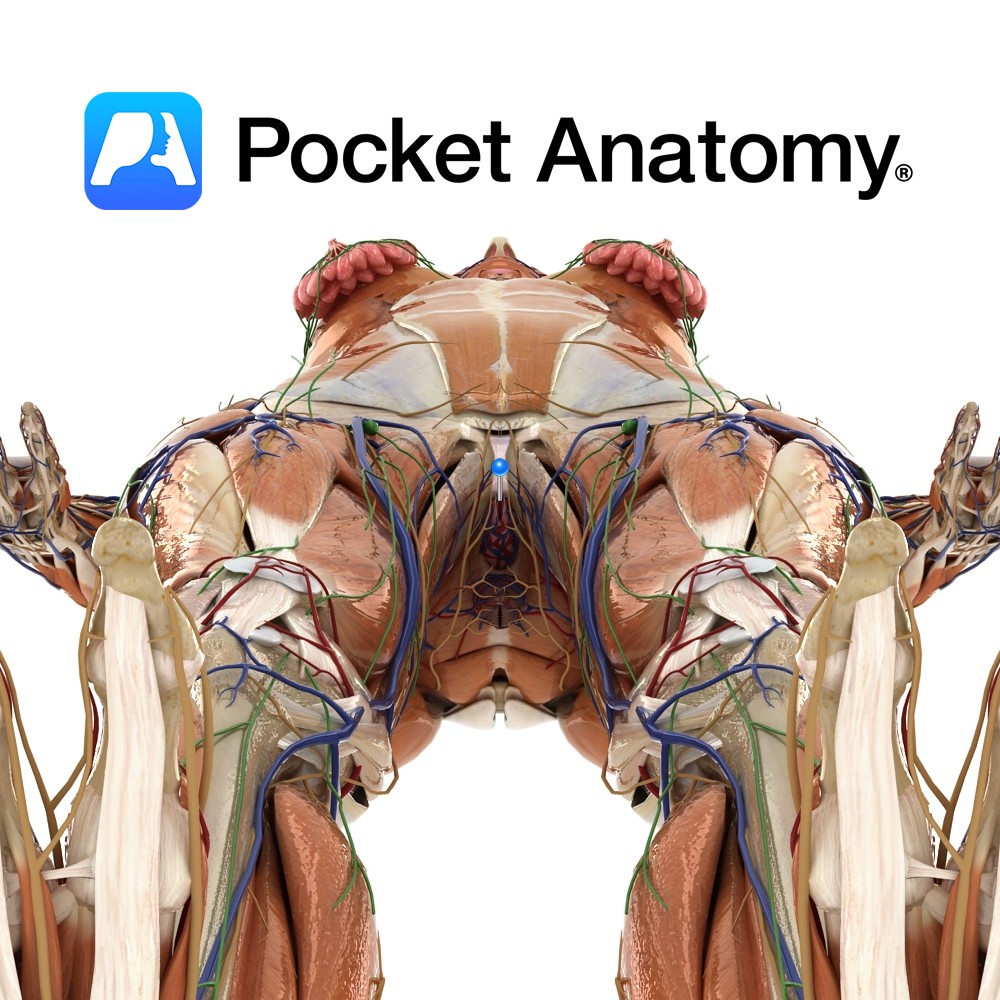
Anatomy Complex 3D/multiplanar structure, the pea-sized glans and shaft (variably hooded by the labia minora and curtained by the upper/anterior junction/commissure of the labia majora) the only distinctly visible surface element. There is also an internal portion of the shaft and a much bigger associated cluster of tissue, some clearly distinguishable anatomically/histologically (such as paired
- Published in Pocket Anatomy Pins
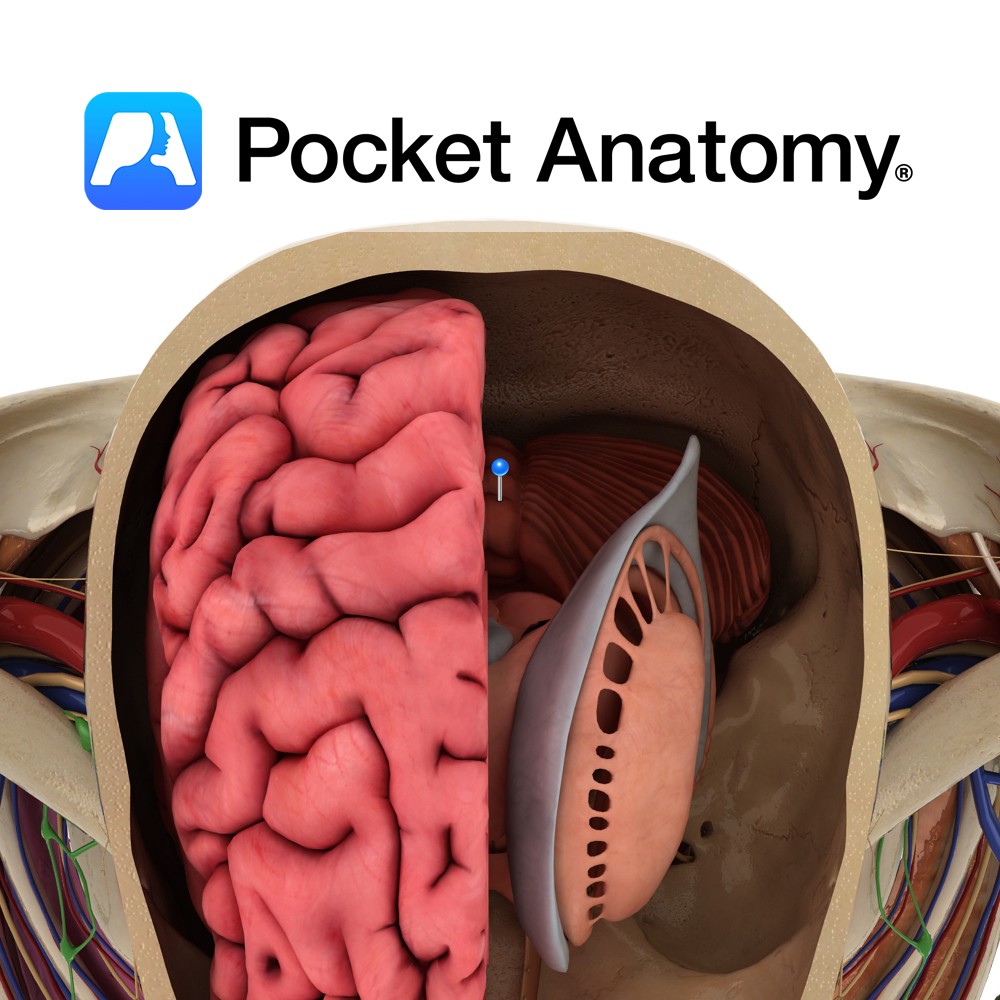
Anatomy Located in the midline, between the two cerebellar hemispheres. It is further subdivided into nine areas, from anterior to posterior, as follows: lingula, central lobule, culmen, declive, folium, tuber, pyramid, uvula and nodule. Blood Supply: Supplied by branches of the superior, anterior inferior and posterior inferior cerebellar arteries. Clinical Cerebellar vermis lesions are characterised
- Published in Pocket Anatomy Pins
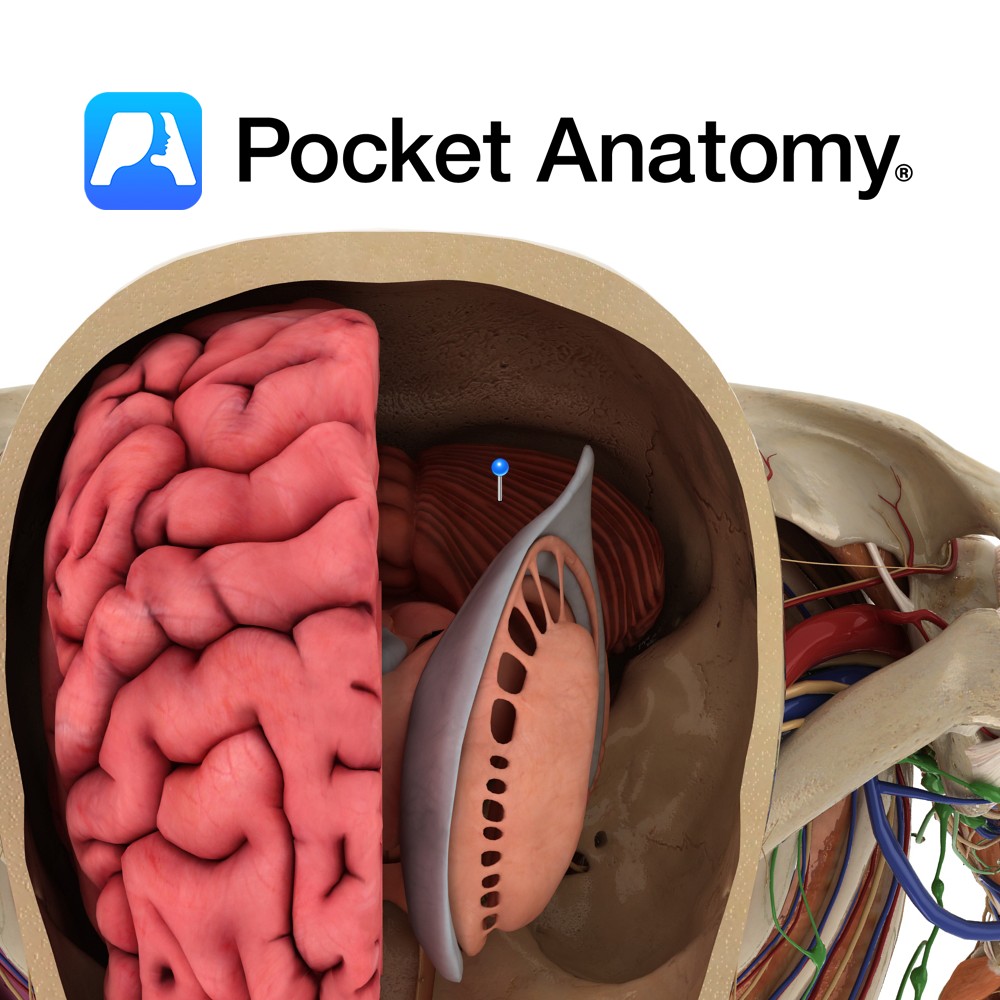
Anatomy Located in the posterior cranial fossa, inferior to the cerebrum and posterior to the pons and medulla and forms the roof of the 4th ventricle. Composed of two cerebellar hemispheres, connected by the midline vermis. The dural tentorium cerebelli separates the cerebellum below from the occipital lobes above, while the dural falx cerebelli intervenes
- Published in Pocket Anatomy Pins
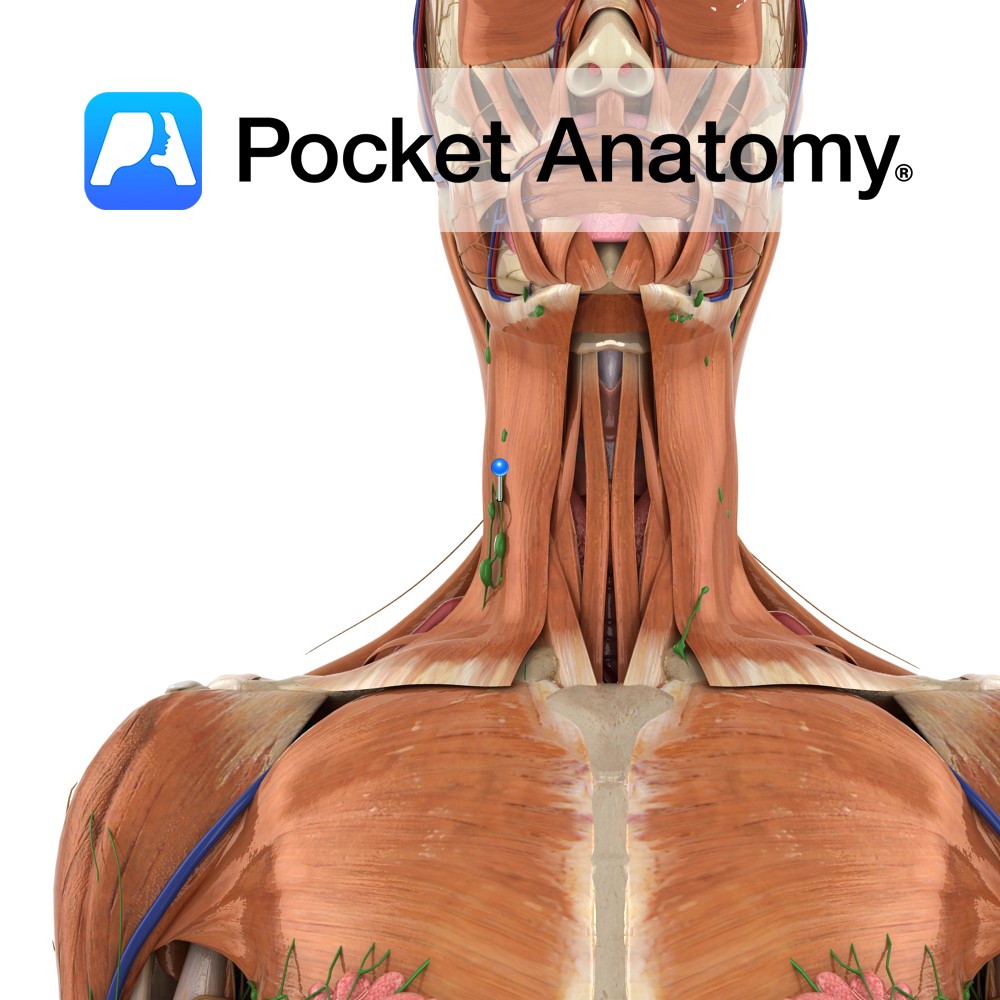
Anatomy Group/Cluster of nodes, in front and back of ears and along lower border jaw, and deeper in neck alongside blood vessels. Nodes filter the lymphatic drainage of scalp, face, nasal cavity, pharynx. Clinical Main (6) groups/clusters of nodes; Cervical, Axillary, Thoracic (Mediastinal, Bronchopulmonary), Iliac, Inguinal. Interested in taking our award-winning Pocket Anatomy app for
- Published in Pocket Anatomy Pins
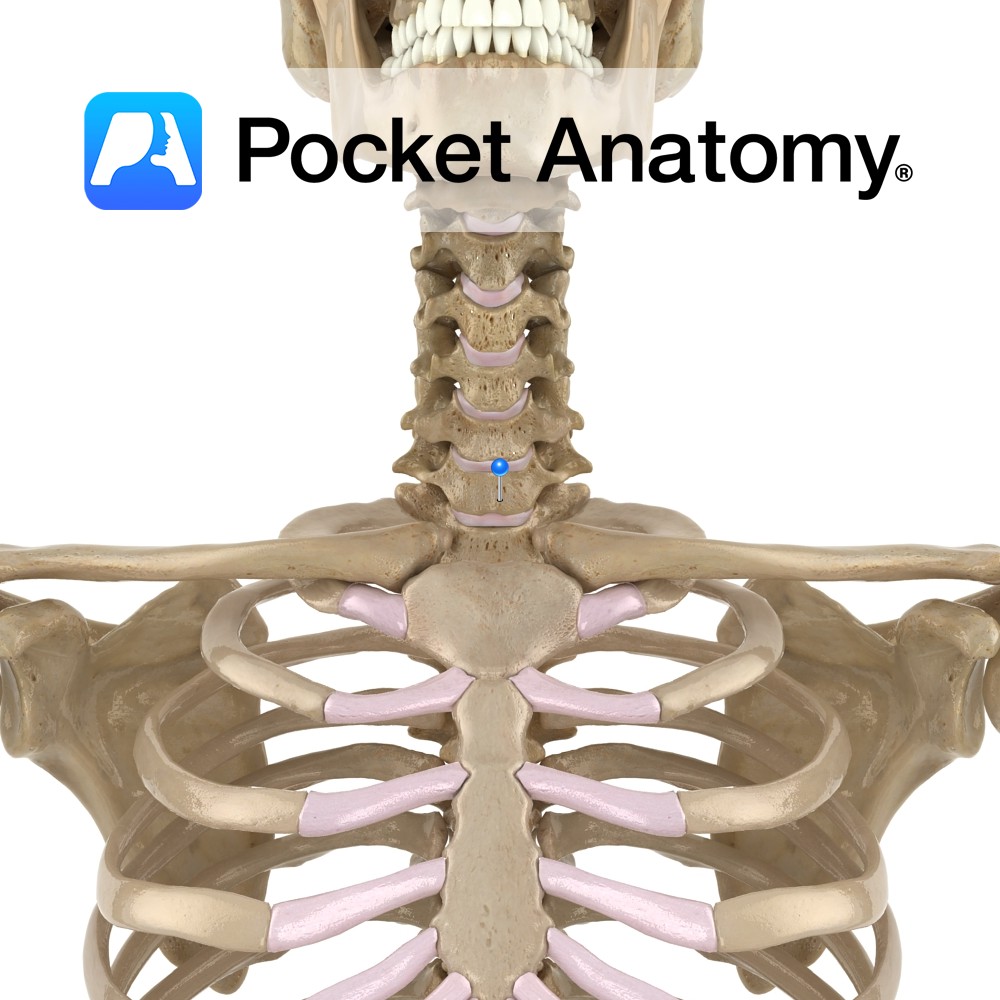
Anatomy Also called vertbra prominens. Its spinous process is thick, long, almost horizontal, ends in a tubercle to which the bottom of the ligamentum nuchae is attached. In 70% of people, this is the most prominent spinous process (30% either C6 or T1). In 1 in 500, the transverse process has a forward projection as
- Published in Pocket Anatomy Pins

Anatomy Highest vertebra of column of 33. Forms spine/skull joint, along with C2 (axis). C1 has no vertebral body, as it is fused with that of C2 to contribute to formation of odontoid process (or dens). C1 has no spinous process; its absence affords greater range of movement of skull on C1. Superior facets (atlanto-occipital)
- Published in Pocket Anatomy Pins